
Four Weeks After Bilateral Knee Replacement
Melissa’s full report four weeks after bilateral knee replacement. Driving. Walking the dog. Off assisted devices. No pain meds. A textbook recovery.
Details

Melissa’s full report four weeks after bilateral knee replacement. Driving. Walking the dog. Off assisted devices. No pain meds. A textbook recovery.
Details
A poorly executed golf swing may not be your fault or the fault of your teaching pro. It is perhaps, very possible, that you cannot physically make a proper golf swing due to a biomechanical issue stemming from your sacroiliac (SI) joint.
Details
The CPM is still used today because it is a common, and sometimes patient-requested adjunct to knee surgery. It’s like putting on an old pair of slippers that were inherited during the surgeon’s residency.
Details
Once you have a knee replacement or other knee surgery that compromised your knee range of motion, it is up to you to make the most of this new lease on life. One of the keys to doing just that is stretching after knee replacement.
Details
We examine the Continuous Passive Motion machine for knee surgery recovery. Robert Salter (MD) and John Saringer (an engineer) commercialized the CPM in 1978. Extensive research and clinical references included here.
Details
Many Knee Surgeries, Finally a Rehab Solution. Lesle explains her knee recovery saga and then, finally, finding a solution.
Details
Kevin’s Bilateral Knee Replacement and Recovery. One knee right after the other. Smooth. Seamless. Done! Next stop: the golf course.
Details
A pair of new running shoes, a freak indoor fall and there I was with a fractured patella. After surgery and 22 P.T. appointments I was stuck with poor range of motion and bleak prospects. I went to the internet to find a solution.
Details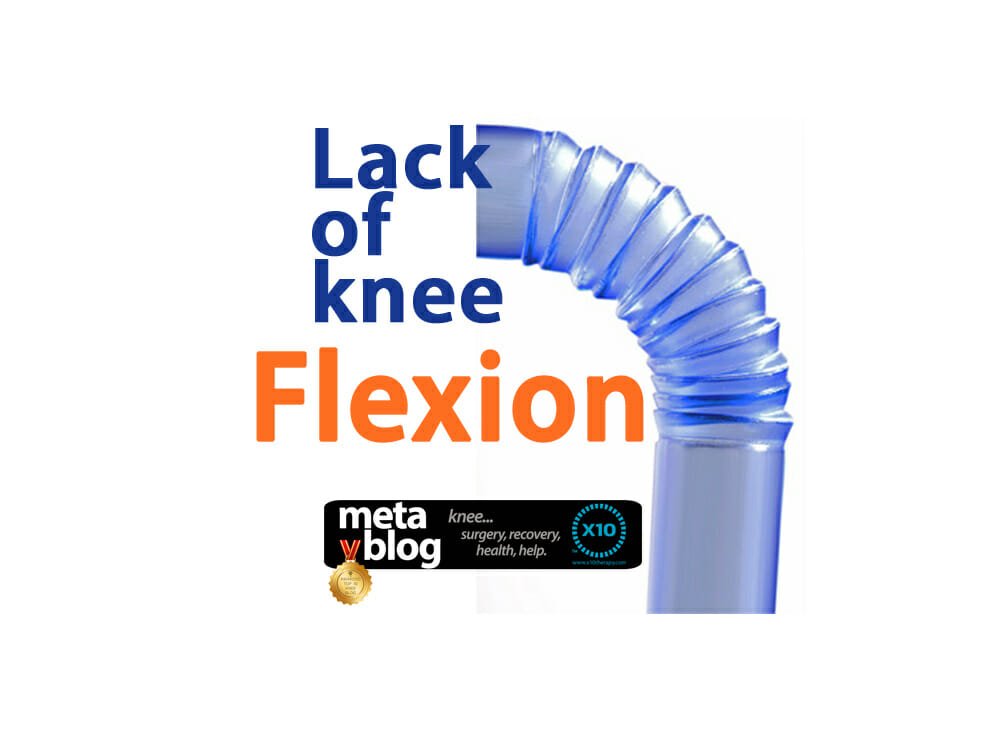
Flexion is the number one challenge for most patients after any knee surgery. A lack of full knee flexion is the number one reason patients call us looking for an “X10 Intervention”
Details
If your feelings of depression and low energy tend to peak in the winter, you may think you are suffering from Seasonal Affective Disorder (SAD), but it could also be something else.
Details