
X10 Therapy on ABC TV (WXYZ)
X10 Therapy on ABC TV (WXYZ). Jenn Schanz interviews Mary Elliott. X10 Therapy solves knee surgery recovery at home – covered by Medicare in SE Michigan.


 KNEE SURGERY RECOVERY
When you have total knee replacement (TKR) surgery, recovery and rehabilitation is a crucial stage. In this stage, you’ll get back on your feet and return to an active lifestyle.
The 12 weeks following surgery are very important for recovery and rehab. Committing to a plan and pushing yourself to do as much as possible each day will help you heal faster from surgery and improve your chances for long-term success.
Halley Orthopedic Products was founded in Southeast Michigan in 2005. The company’s objective was simple: improve the results of knee surgery through new rehabilitation technology. The result of years of research and development was the first model of the X10 Knee Rehabilitation Machine in 2011. Since then many thousands of knee patients have recovered using the X10™.
X10 Therapy on ABC TV (WXYZ). Jenn Schanz interviews Mary Elliott. X10 Therapy solves knee surgery recovery at home – covered by Medicare in SE Michigan.

Little did I know that throughout Curt’s recovery on the X10, his mother Venetia was watching very closely from the sidelines. While recovering fairly easily from hip replacement two years prior, Venetia witnessed knee replacement patients struggle with great pain and discomfort. Venetia had decided to put off having knee replacement surgery indefinitely.

Fibrosis is another way to look at scar tissue. It’s scar tissue, plus. Some of the scar tissue that we have, you can think of like spiderwebs And so we can move the knee joint a little bit or the shoulder, or whatever joint it happens to be, and we can break those spiderwebs and we can get some range of motion back.

The Continuous Passive Motion Machine is a device designed in the early 1970’s with the idea of helping knee surgery patients regain range of motion.

An athlete all his life Tom writes about the challenges of total knee replacement recovery under circumstances of extreme pain. Mary Elliott does an in-depth interview for the podcast and Tom Jurewicz shares his story in this signature article about perseverance, courage and recovery.
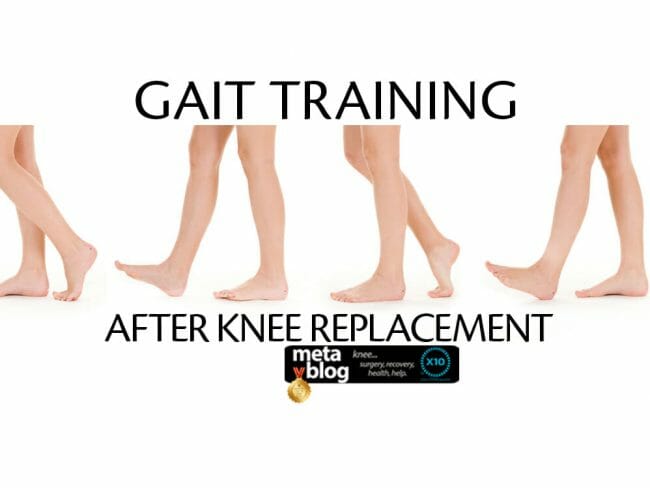
To walk properly you need that zero degrees, so that your heel can hit the ground first. After surgery, sometimes what happens is your brain can start sending messages to the leg on how it should move and where it is in space. Your leg can sometimes have a delay on that message. It’s almost like your muscles have to relearn what their job is.

So transition your brain from old school therapy to the X10 program. It blows my mind every time. When working with knee patients so many of them move so quickly to 0º and 115º. And you’re just thinking, Oh my goodness!
Knee replacement surgery is extremely effective at eliminating osteoarthritic pain. But, recent research shows that, “Current practice of total knee replacement as performed in a recent U.S. cohort of patients with knee osteoarthritis had minimal effects on quality of life and QALYs (quality adjusted life years) at the group level.”

I’m an anesthesiologist in Lansing, Michigan. I’ve been here for 35 years. A bowlegged anesthesiologist. My story revolves around the fact that I tore my meniscus in my left knee in 1995. Knee Surgery Anesthesia.

If you want to get back into yoga (or maybe even begin yoga for the first time) after knee surgery, you are at the right place. Lauren Bingle has created two lovely yoga sets, each with you in mind. She presents her first set specifically for people with knee issues. Yoga exercises after knee surgery here.